Prancing pillar
| Dragon Quest monster | |
|---|---|
| Prancing pillar | |
 Art by Akira Toriyama | |
| Japanese | エンタシスマン |
| Romaji | Entashisuman |
| First appearance | Dragon Quest VII |
| Old localisation | ColumnMan |
| Variants | Boogieing buttress Cavorting column Flamencolumn Sconstrosity |
The Prancing pillar is a monster in the series.
Characteristics[edit | edit source]
Prancing pillars are stone pillars that have come to life and ambush adventurers. Their arms hold flaming sconces that they use to cast fire magic and they can also perform bizarre dances to drain opponents of their magic power. Their bodies are surprisingly flexible, able to contort in a snakelike fashion and use their malleable bodies to hammer foes.
Appearances[edit | edit source]
Dragon Quest VII: Fragments of the Forgotten Past[edit | edit source]
Prancing pillar (エンタシスマン, Entashisuman ) Big Book of Beasts No. : #069  | |||||||||||||||||||||||||||||||||||||||||||||||||||||||
| |||||||||||||||||||||||||||||||||||||||||||||||||||||||
| |||||||||||||||||||||||||||||||||||||||||||||||||||||||

- There are two pairs of prancing pillars that are faced as minibosses on 2F of El Monumento de Pomposo, disguised as ordinary pillars. They are not much more difficult than any of the monsters that can be encountered there.
Dragon Quest X [edit | edit source]
Prancing pillar began appearing in Version 2.0. Once again, they are able to cast Frizzle and perform a Weird Dance. Starting with Version 2.1, prancing pillars are one of the original ten monsters that can be tamed by Item Masters. Vicious prancing pillars can be encountered in the Netherworld in Version 5.3, now being able to cast Kafrizz.
Dragon Quest Monsters: The Dark Prince[edit | edit source]
 Prancing pillar (エンタシスマン, Entashisuman ) Prancing pillar (エンタシスマン, Entashisuman ) Monsterpedia No.: #302  | |||||||||||||||||||||||||||||||||||||||||||||||||||||||||
| |||||||||||||||||||||||||||||||||||||||||||||||||||||||||
| |||||||||||||||||||||||||||||||||||||||||||||||||||||||||


| ||||||


Dragon Quest Rivals[edit | edit source]
Prancing pillar appeared in the 3rd card pack, "Cries of the Phoenix and Mother Earth" as a normal card exclusive for Merchant leaders.
In Other Languages[edit | edit source]
| Language | Translation | Meaning |
 Español Español | Joniconstruo | From the Spanish jonio and the Latin construo. |
 Français Français | Pilier de bal | A play on the French term pilier de bar, which means "barfly". |
 Deutsch Deutsch | Schwofende Säule | German for "swinging column". |
 Italiano Italiano | Colonna saltellante | Italian for "hopping column". |
Trivia[edit | edit source]
- Prancing pillar's original Japanese name, Entasisman, is a reference to the architectural term "entasis", which is the application of convex curves to the surface of a structure for aesthetic purposes. Its most well-known usage is on the classical pillars of ancient Rome and Greece, which the prancing pillar is modeled after.
Gallery[edit | edit source]
-
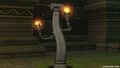 A prancing pillar in Dragon Quest X
 -
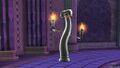 A vicious prancing pillar
 -
 Rivals card


